

Home
How To Choose The Right Bed For your Bedroom?

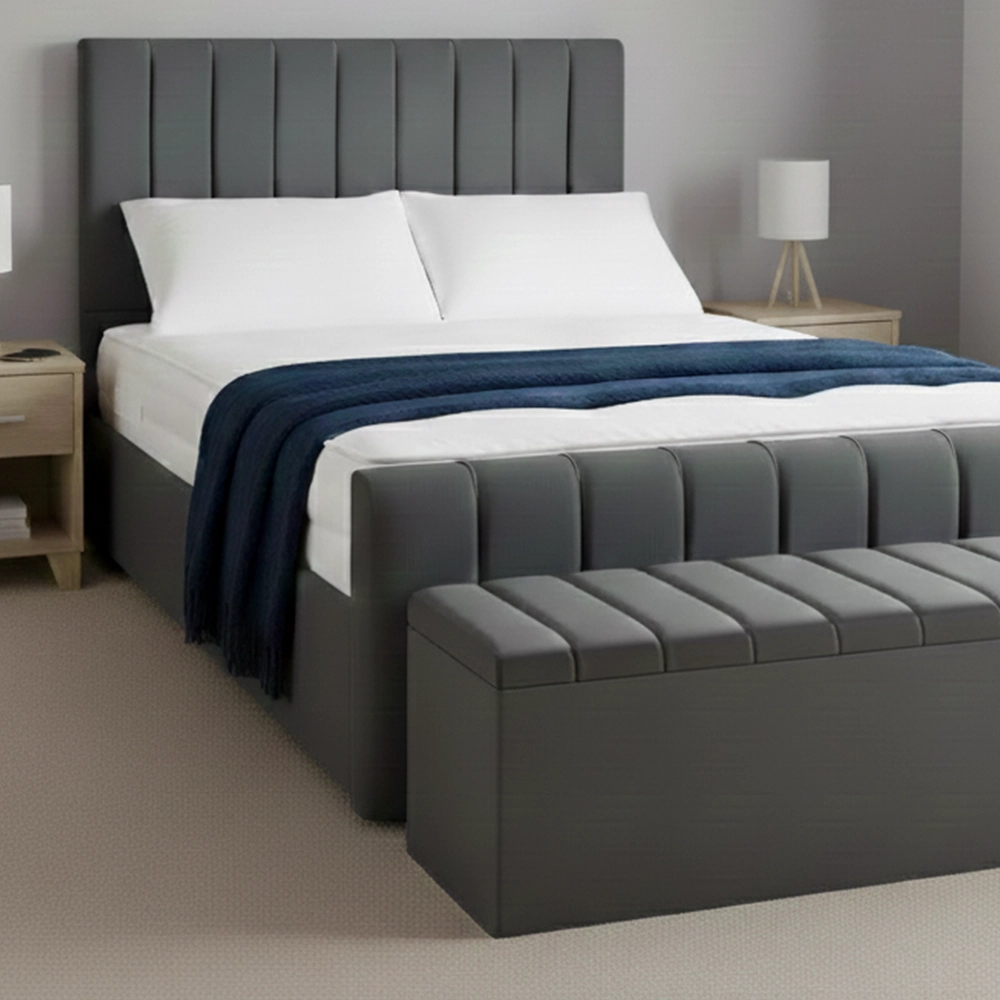
Choosing the right bed for your bedroom is about much more than finding a design that looks attractive. As one of the largest pieces of furniture in the room, a bed has a major impact on how comfortable, practical and spacious your bedroom feels.
The best bed should suit your sleeping needs, fit comfortably within the available space and complement the overall style of your room. However, with so many bed sizes, designs, materials and storage options available, making the right choice can sometimes feel overwhelming.
This guide explains how to choose the right bed for your bedroom and the most important factors to consider before making your decision.
Start by Measuring Your Bedroom
Before looking at bed styles or designs, measure your bedroom carefully. This should always be one of the first steps when choosing a bed.
Measure the length and width of the room and consider the position of doors, windows, wardrobes and other furniture. A bed may technically fit inside a room while still making the space feel cramped and difficult to move around.
It is important to leave enough room around the bed for comfortable movement. You should also think about practical details, such as whether wardrobe doors can open properly and whether you can comfortably make the bed.
A useful tip is to mark the approximate size of the bed on the floor using tape. This can help you visualise how much space the bed will occupy before you commit to a particular size.
Remember the Size of the Bed Frame
When measuring your bedroom, do not focus only on mattress dimensions. The overall bed frame can be considerably larger than the mattress, particularly if it has a wide headboard, thick upholstery, storage sections or a footboard.
Always check the complete external dimensions of the bed as well as the mattress size it is designed to accommodate.
Choose the Right Bed Size
Bed size is one of the most important factors when choosing the right bed for your bedroom. A larger bed can offer greater sleeping comfort, but it is not always the best choice for the available space.
The ideal bed size depends on several factors, including:
- The size of your bedroom
- How many people will use the bed
- Your height and sleeping habits
- Whether you prefer extra sleeping space
- The amount of furniture already in the room
A single bed may work well in a compact bedroom, children’s room or guest room. A larger bed can be more suitable for couples or anyone who prefers additional space while sleeping.
The aim is to find a balance between sleeping comfort and room functionality. Choosing the biggest possible bed can make a bedroom feel overcrowded, while choosing one that is too small may not provide enough comfort.
Consider Who Will Be Using the Bed
Your lifestyle and personal requirements should play an important role in your decision.
For example, a bed for one person may not need the same amount of sleeping space as a bed shared by two people. Taller individuals may also need to consider the length of the bed, not just its width.
Think about how you usually sleep. If you tend to move around during the night, extra space may improve your comfort. Couples should also consider whether both people have enough room to sleep comfortably.
It can also be useful to think ahead. A bed is often a long-term purchase, so choosing one that suits your future needs as well as your current lifestyle can be a sensible decision.
Select a Bed Style That Suits Your Bedroom
The style of your bed can significantly influence the appearance of the entire room. Since the bed is often the focal point of a bedroom, it should complement the rest of the interior rather than overpower it.
Before choosing a style, consider the overall look you want to create.
Modern Bedrooms
A modern bedroom often suits a bed with clean lines and a simple shape. Minimal detailing can help create a calm and uncluttered appearance.
Traditional Bedrooms
More detailed bed frames, decorative headboards and classic materials can work well in traditional interiors. The key is to ensure that the design does not make the room feel too visually busy.
Small Bedrooms
In a smaller bedroom, bulky furniture can quickly make the space feel crowded. A bed with a simple profile or a more streamlined design may help the room feel more open.
Large Bedrooms
A larger bedroom can accommodate a more substantial bed. A statement headboard or a bed with a more noticeable frame can help create a balanced and inviting appearance.
Think About Storage Requirements
Storage is another important consideration when choosing the right bed for your bedroom.
If your room has limited storage space, a bed with built-in storage can provide a practical solution. Depending on the design, storage may be available underneath the sleeping area or through drawers incorporated into the bed frame.
A storage bed can be particularly useful for keeping bedding, seasonal clothing and other items organised.
However, before choosing this type of bed, think about how much clearance is available around it. Drawers need space to open, while lift-up storage designs require enough room for comfortable access.
If you already have sufficient wardrobes and storage furniture, a simpler bed frame may be all you need.
Choose a Comfortable Bed Height
Bed height is often overlooked, but it can make a noticeable difference to everyday comfort.
A bed that is too low may be difficult for some people to get out of, while a very high bed may not be practical for everyone. The combined height of the frame and mattress should feel comfortable when sitting down and standing up.
Consider who will be using the bed most frequently. Accessibility and comfort should be more important than following a particular design trend.
The height should also work visually with the rest of the bedroom furniture. For example, bedside tables should ideally be positioned at a convenient height for reaching items while lying in bed.
Pay Attention to the Headboard
A headboard can completely change the appearance of a bed. It can also add comfort if you regularly sit up to read, watch television or relax in bed.
When choosing a headboard, consider both its size and material.
A large headboard can make an impressive statement in a spacious bedroom, but it may dominate a smaller room. Similarly, a heavily padded design may provide comfort while taking up more visual space.
The best option should suit the scale of the bedroom and complement the surrounding furniture.
Consider the Material and Build Quality
A bed should not only look good; it should also be strong enough for regular use.
Different materials can affect the appearance, durability and maintenance requirements of a bed. Before making a decision, consider the overall construction and stability of the frame.
Check that the bed provides suitable support for the mattress and that the structure feels secure. Strong joints and reliable support are particularly important for larger beds.
It is also worth thinking about maintenance. Some materials are easier to clean than others, while upholstered surfaces may require additional care.
Choosing a well-made bed can provide better long-term value and reduce the need for frequent replacement.
Make Sure the Bed Works with Your Mattress
Your bed frame and mattress should be compatible.
Before buying a new bed, check the exact dimensions of your existing mattress. Bed size names can sometimes vary, so relying only on terms such as single, double or king may lead to problems.
The mattress should fit securely within the bed frame without being too loose or too tight.
You should also consider the thickness of the mattress. A particularly deep mattress can affect the overall height of the bed and may change the appearance of the headboard.
If you are buying both at the same time, checking their measurements together can help you create a more comfortable and balanced sleeping setup.
Consider the Overall Bedroom Layout
A good bed should work with the layout of your bedroom.
Think about where the bed will be positioned and how this affects movement around the room. Consider the placement of bedside tables, wardrobes, windows and doors before deciding on a bed design.
It is also worth thinking about the visual balance of the room. The bed should feel proportionate to the available space rather than appearing too large or too small.
A well-planned bedroom layout can make even a modest-sized room feel more comfortable and organised.
Do Not Forget Practical Details
Before making your final decision, consider a few practical points that are easy to overlook.
For example, check whether the bed can fit through doorways, hallways, staircases or other access points in your home. A large bed frame may look perfect in the bedroom but be difficult to move into the room.
You should also think about how easy the bed will be to clean around and underneath. If you prefer easy access for cleaning, consider whether the frame leaves sufficient space beneath it.
Finally, choose a bed that suits your everyday life rather than selecting one purely because of its appearance.
Final Thoughts
Knowing how to choose the right bed for your bedroom can make a significant difference to both your comfort and the overall appearance of your space.
The ideal bed should fit your bedroom comfortably, provide enough sleeping space and suit your storage requirements and personal style. By measuring your room, considering the overall bed dimensions, checking mattress compatibility and thinking about your daily needs, you can make a more confident choice.
Ultimately, the best bed for your bedroom is not necessarily the biggest or most decorative option. It is the one that creates the right balance between comfort, practicality, durability and style, helping you create a bedroom that feels both attractive and comfortable every day.