

Home
How Much Should You Spend on a Good Quality Bed?

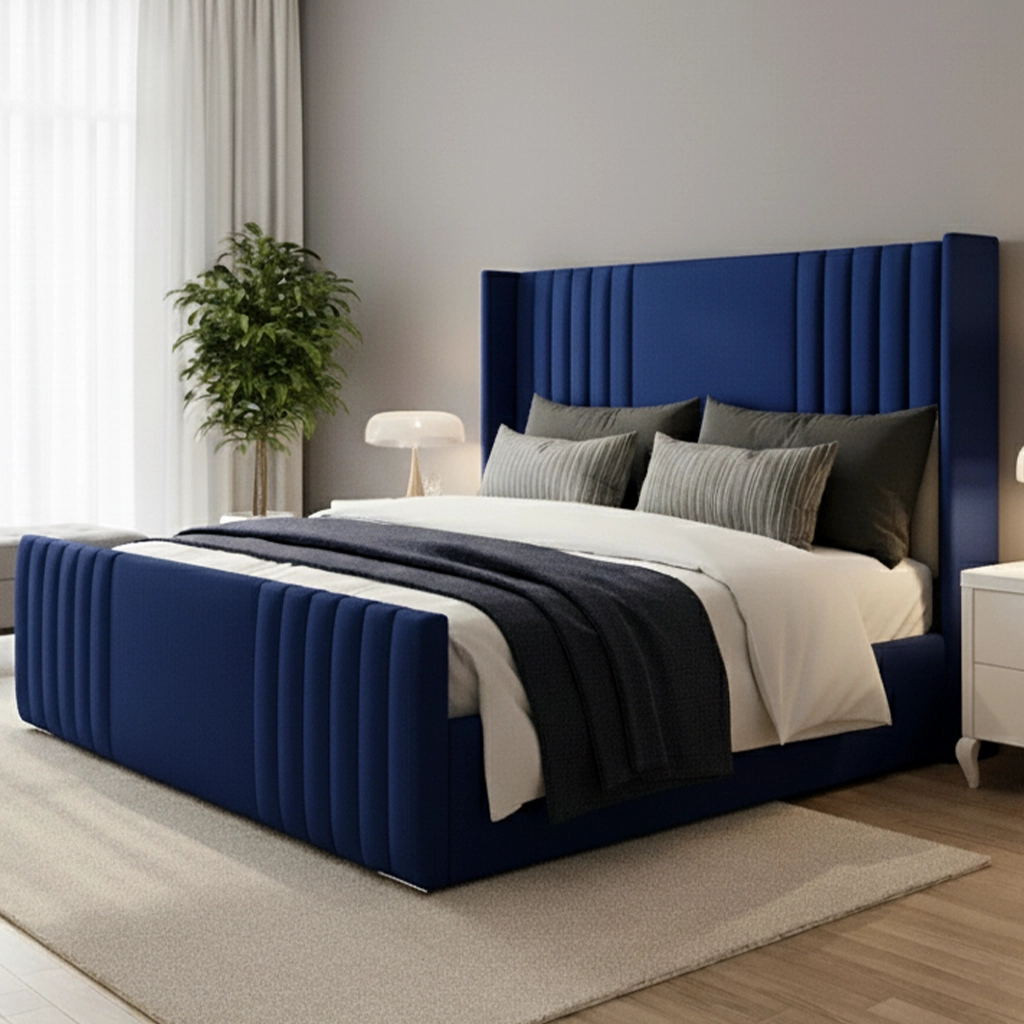
Buying a new bed is one of those purchases where it can be tempting to focus on the lowest price. After all, there are beds available for a few hundred pounds, while premium options can cost well over £1,000. So, how much should you actually spend on a good quality bed?
There is no single figure that works for everyone. The right budget depends on the size of the bed, the materials used, the type of frame, whether you need storage and, importantly, whether the mattress is included. For a main bedroom that is used every night, however, it usually makes sense to look beyond the cheapest options and invest in a bed that offers reliable support, solid construction and a finish you will be happy to live with for years.
What Is a Good Budget for a Quality Bed?
For many UK households, a sensible starting point for a good quality bed is around £400 to £800 for the bed frame or base. You can certainly find suitable beds below this range, particularly simple frames and basic divans, while larger, more elaborate or premium beds can cost considerably more.
A bed around the mid-range price point can often offer a useful balance between construction, appearance and features. If you want an upholstered bed, built-in storage, a larger size or a more detailed headboard, your budget may need to increase.
Some industry and consumer buying guides place decent-quality beds within a broad range of several hundred pounds, while premium designs can reach £1,000 or considerably more.
The important thing is not to choose a price simply because it sounds expensive enough. Instead, look at what you are getting for your money.
Bed Price Guide: What Can You Expect at Different Budgets?
Understanding the different price levels can make shopping much easier.
Under £300: Basic and Budget Beds
At the lower end of the market, you can find simple bed frames and basic divans that are suitable for guest bedrooms, occasional use, children’s rooms or situations where keeping costs down is the priority.
At this price, you may have fewer choices when it comes to materials, upholstery, storage and decorative details. That does not automatically mean a bed is poor quality, but it is worth paying closer attention to the frame construction and the support system.
If you are buying a bed for everyday use, do not judge it by appearance alone.
£300–£600: A Practical Mid-Range Choice
This is where you can start finding a wider selection of quality bed frames suitable for regular use.
Depending on size and design, this budget may give you access to upholstered frames, stronger construction, more substantial headboards and practical storage options. It can be a particularly sensible range for a double bed when you want a balance between price and quality.
Before buying, check exactly what is included. A low headline price can become less attractive if the mattress, headboard or delivery is charged separately.
£600–£1,000: Higher Quality and More Features
If you have a larger budget, you can look for beds with more substantial construction, premium upholstery, detailed headboards, storage mechanisms or larger dimensions.
This range can be worthwhile for a main bedroom bed that will be used every night. You are not necessarily paying only for a more luxurious appearance; additional money may go towards stronger materials, better finishing and more sophisticated storage or support features.
£1,000+: Premium Beds
Once you move beyond £1,000, you are generally entering the premium end of the market. Large beds, elaborate upholstery, specialist construction, premium materials and extensive storage can all push the price upwards.
However, spending more does not automatically guarantee a better night’s sleep. A £1,500 bed is not necessarily three times better than a £500 bed.
The goal should be to find the point where quality, comfort, durability and features justify the price.
What Actually Makes a Bed Worth the Money?
Price alone tells you very little about whether a bed is worth buying. Before making a decision, look at several important factors.
1. Frame Construction
The structure underneath the upholstery or finish is one of the most important parts of a bed.
A good-quality frame should feel stable and properly constructed rather than flimsy or excessively lightweight. Check how the frame is supported, whether it has adequate central reinforcement for larger sizes and whether the components are securely joined.
A beautiful headboard cannot compensate for a weak structure.
2. The Bed Base and Slats
The base plays an important role because it supports the mattress.
If you are choosing a slatted bed, look at the construction and spacing of the slats. The base should be appropriate for the mattress you intend to use. A suitable support system can help the mattress perform as intended and reduce unnecessary wear.
Different bed types, including divans, bedsteads and storage beds, have different support systems, so compare the construction rather than assuming one type is automatically better.
3. Upholstery and Fabric
If you prefer an upholstered bed, the fabric is another factor to consider.
Velvet, boucle, linen-look fabrics and other upholstery styles can create very different appearances and levels of practicality. Think about how the bed will be used, how easy the fabric will be to maintain and whether the colour will continue to work with your bedroom décor.
A higher price should ideally be reflected in the quality of the overall finish, not simply a more fashionable fabric.
4. Storage
Storage can make a significant difference to the value of a bed.
A divan with drawers can be useful when you want regular access to stored items. An ottoman or gas-lift bed can provide a larger concealed storage area and may be particularly useful in smaller bedrooms.
Storage does add to the price, but it can also remove the need for additional furniture, making the extra cost worthwhile in some homes.
Should You Spend More on the Bed or the Mattress?
This is an important question because a bed and mattress work together.
If your budget is limited, do not spend your entire budget on an elaborate bed frame while choosing a mattress purely because it is cheap. The mattress has a direct impact on your comfort and support, while the bed needs to provide a suitable, stable foundation.
A sensible approach is to choose a reliable, well-constructed bed frame and allocate a significant part of the overall budget to a mattress that suits your sleeping position, comfort preference and support needs.
A more expensive mattress is not automatically better either. The right choice depends on the sleeper and the construction of the mattress.
Don’t Forget the Size of the Bed
The size of your bed can have a major effect on the final price.
A single bed will generally cost less than a small double, double, king size or super king. Larger beds require more material and often need additional structural support.
Before choosing the largest size you can afford, measure your bedroom carefully. Leave enough space to move around the bed and consider wardrobes, bedside tables, doors and drawers.
If you share the bed, extra sleeping space can also be valuable. A slightly larger bed may be worth prioritising over decorative features that do not improve everyday use.
How to Get Better Value Without Overspending
You do not need to buy the most expensive bed to get good quality. Instead, spend your money strategically.
Prioritise the structure
A strong framehttps://bedpoint.co.uk/product-category/shop/ and suitable support system should come before decorative extras.
Choose features you will actually use
Storage, an upholstered headboard or a particular design may be worth paying for if they solve a genuine need. Avoid paying extra for features that will make little difference to your everyday life.
Compare what is included
Check whether the price includes the headboard, base, mattress, slats, storage mechanism and any other essential components. Also check delivery and assembly costs before making your final decision. These details can significantly affect the true cost of a bed.
Think about long-term value
A very cheap bed may look attractive initially, but replacing it sooner can cost more in the long run. On the other hand, spending heavily on luxury features you do not need is not necessarily good value either.
The best purchase is usually the one that provides the right combination of durability, comfort, design and price.
Is an Expensive Bed Always Better?
Not necessarily.
A higher price can reflect better materials, larger dimensions, additional storage, more detailed upholstery or stronger construction. But it can also reflect design choices and premium finishes that have little to do with how well the bed performs.
Rather than asking, “What is the most expensive bed I can afford?”, ask:
“What quality and features do I actually need for the way I use my bedroom?”
That simple change in approach can help you avoid both extremes: buying something too cheap to meet your needs or spending far more than necessary.
So, How Much Should You Spend on a Good Quality Bed?
For a bed that will be used every night, £400 to £800 is a reasonable starting budget for a good-quality bed frame https://bedpoint.co.uk/product-category/shop/or base, although the ideal amount will depend on size, construction, storage and design.
If you are buying a complete bed and mattress, plan for a larger overall budget and divide your spending carefully between the two. A simple but well-built frame paired with a suitable mattress can often provide better value than an expensive decorative bed with a poor-quality sleeping surface.
Ultimately, the best bed is not necessarily the cheapest or the most expensive. It is one that is strong enough for everyday use, comfortable with your chosen mattress, suited to your room and built to provide good value over time.
Take your time, compare the construction rather than just the price tag, check what is included and choose features that genuinely improve your bedroom. That is how to spend wisely when buying a good quality bed.