

Home
How to Choose a Durable Bed Frame That Will Last for Years

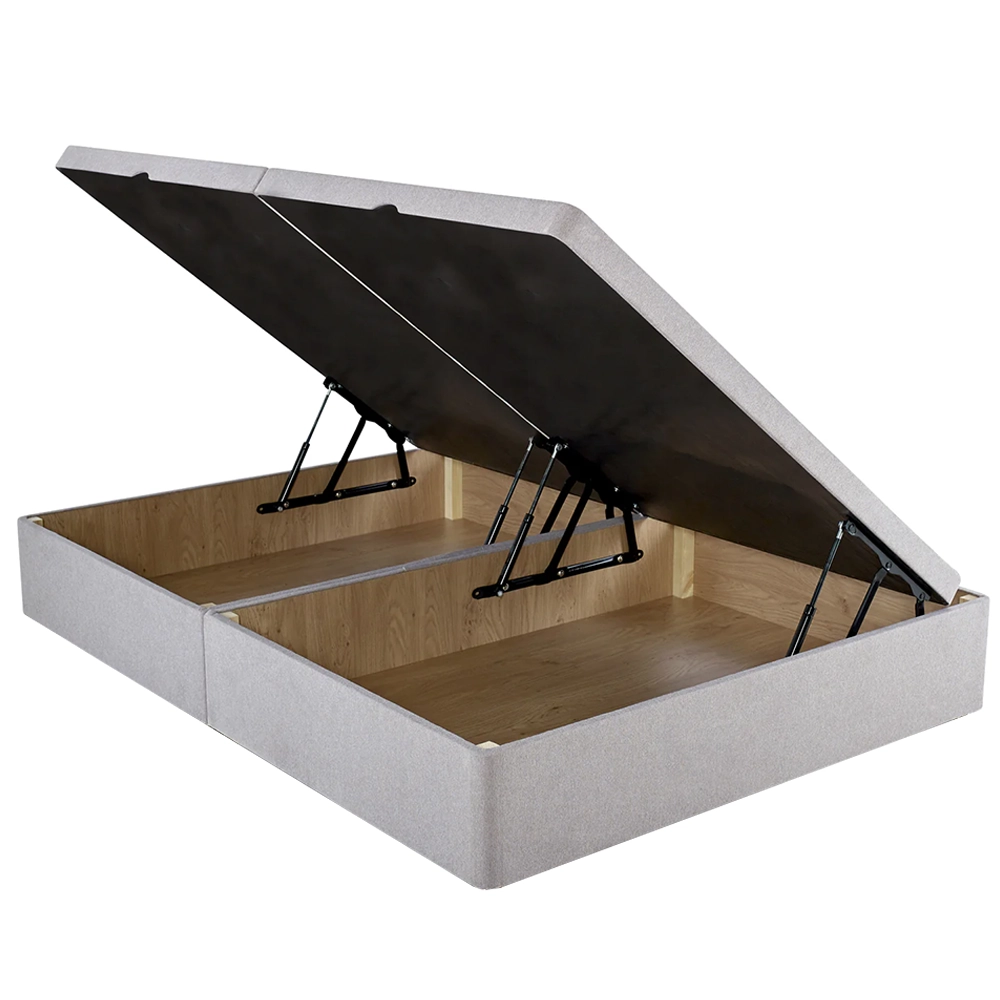
A bed frame is more than just something that holds your mattress off the floor. It provides the foundation for your entire sleeping setup, so choosing one that is strong, stable and built to last can make a noticeable difference over the years.
With so many styles and materials available, it can be difficult to know what makes a bed frame genuinely durable. A beautiful design does not necessarily mean a strong construction, and a higher price does not always guarantee better longevity.
If you want to invest in a bed that will remain comfortable and reliable for years, there are several important things to consider before making your choice.
What Makes a Bed Frame Durable?
The durability of a bed frame depends on several factors rather than one particular material. Construction quality, support, fixings, weight distribution and everyday use all affect how long a frame is likely to last.
A well-built frame should feel solid when you sit on it, should not move excessively when you turn over at night and should provide consistent support across the mattress.
Pay attention to the overall construction rather than focusing only on its appearance. Strong joints, properly supported slats and adequate centre support can make a significant difference to long-term performance.
Choose the Right Material
The material used for a bed frame has an important influence on its lifespan. However, quality matters just as much as the material itself.
Wooden Bed Frames
Wooden bed frames can be an excellent choice for long-term use, particularly when they are made from strong, well-constructed timber.
The quality of the wood, the thickness of the structural sections and the way the joints are made all matter. A sturdy wooden frame with reliable joints and good support can remain useful for many years.
When choosing a wooden bed, check for:
- Strong side rails
- Secure corner joints
- Adequate centre support
- Sturdy slats
- Minimal movement between components
Cheaper engineered wood products can also be suitable, but their durability can vary considerably depending on their construction.
Metal Bed Frames
Metal frames can provide excellent structural support and are often relatively easy to maintain. Their durability depends heavily on the thickness and quality of the metal, as well as the strength of the joints and welds.
Before buying a metal frame, check that the structure does not feel flimsy and that the legs and central supports appear capable of handling regular use.
Rust and corrosion should also be considered, particularly if the frame will be used in a room with high humidity.
Upholstered Bed Frames
Upholstered beds are popular because they combine a comfortable appearance with a softer finish. However, durability depends on both the internal structure and the upholstery.
A well-made upholstered frame can last for many years, but the fabric may show signs of everyday wear before the underlying structure does.
Look for tightly fitted upholstery, secure stitching and a firm structural base. If you regularly sit against the headboard, choosing a frame with strong padding and robust construction is particularly important.
Don’t Overlook the Slats
One of the most important parts of a bed frame is often hidden underneath the mattress.
Bed slats help distribute the weight of the mattress and sleeper across the frame. Weak, widely spaced, damaged or poorly supported slats can affect the stability of the entire bed.
Before purchasing a frame, find out how the slats are supported and whether there is a centre rail or additional support where needed.
It is also important to make sure the bed frame is suitable for your particular mattress. Different mattress designs can have different support requirements, so always check the relevant guidance before putting a new mattress on an existing frame.
Check the Centre Support
A strong centre support system is particularly important on larger bed sizes.
Without adequate support through the middle of the frame, the structure can experience additional stress over time. This can contribute to movement, sagging or uneven support.
When viewing a bed frame, look underneath rather than concentrating only on the headboard and outer appearance. Check how many support points it has and whether the centre rail appears securely attached.
This small inspection can tell you much more about the construction than the overall style of the bed.
Consider the Weight the Bed Will Handle
A bed frame needs to cope with more than the weight of the mattress alone. It also has to withstand the combined weight of the people using it, along with the movement that naturally occurs during sleep.
If two people will regularly share the bed, the frame needs to provide sufficient support for both occupants.
Always check the manufacturer’s stated weight guidance where available. Choosing a frame with appropriate capacity can reduce unnecessary strain on the structure and help maintain its stability.
Look Closely at the Joints and Fixings
The strongest materials cannot compensate for poor connections.
Joints are among the areas that experience repeated stress, particularly when people get in and out of bed or move around during the night.
Look for secure bolts, sturdy brackets and well-constructed connections. Avoid frames that feel loose during assembly or have components that appear difficult to secure properly.
A bed frame may look impressive from the outside, but its long-term durability often depends on details that are much less visible.
Think About How the Bed Will Be Used
The best bed frame for one household may not be the best choice for another.
For example, a spare bedroom that is used occasionally may place much less demand on a frame than a main bedroom used every night.
Consider how often the bed will be used, how many people will sleep on it and whether you frequently sit on the edge or lean against the headboard.
If the bed will be moved regularly, choosing a design that can be safely dismantled and reassembled may also be worthwhile.
Don’t Ignore the Assembly
Even a well-designed bed frame can develop problems if it is assembled incorrectly.
Loose fixings can lead to movement and unwanted noise, while incorrectly positioned slats may affect mattress support.
Take your time during assembly and follow the supplied instructions carefully. Make sure every connection is secure before using the bed.
It is also worth checking the fixings occasionally. Over time, normal movement can cause bolts and screws to loosen slightly. Tightening them when necessary can help maintain stability.
How to Make Your Bed Frame Last Longer
Buying a durable frame is only the beginning. Proper care can also help extend its useful life.
Keep the Frame Clean
Dust and dirt can accumulate around joints, underneath the bed and between moving components. Regular cleaning helps you spot potential problems before they become serious.
Check for Loose Parts
Every so often, check the main fixings and support points. If you notice movement that was not present previously, investigate it rather than ignoring it.
Avoid Excessive Force
Jumping on a bed or placing unusually heavy loads on it can put unnecessary stress on the frame, slats and joints.
Protect Against Moisture
Excess moisture can damage certain materials and may contribute to rust, swelling or deterioration. Keeping the bedroom well ventilated can help protect furniture over time.
Deal With Problems Early
A small loose bolt may be easy to fix. A cracked rail or damaged support is a much more serious issue.
Regularly checking your bed frame allows you to identify minor problems before they develop into larger structural concerns.
When Should You Replace a Durable Bed Frame?
There is no single replacement date that applies to every bed frame. A well-maintained frame may remain perfectly usable for many years, while a poorly constructed one may begin showing problems much sooner.
Instead of relying solely on age, pay attention to its condition.
Persistent wobbling, broken slats, serious cracks, bent metal, damaged support rails or recurring instability are all reasons to inspect the frame carefully.
If a load-bearing component is damaged and cannot be properly repaired, replacing the frame is generally safer than continuing to use it.
Final Thoughts
Choosing a durable bed frame is about looking beyond colour, style and appearance. The construction underneath the mattress is what ultimately determines how well the bed performs over time.
Consider the material, support system, slats, centre rail, joints and expected weight before making your decision. Once the bed is installed, regular checks and sensible use can help keep it stable and reliable for longer.
A strong bed frame is a long-term investment, so taking a little extra time to assess its construction before buying can help you enjoy a more comfortable and dependable sleeping setup for years to come.