

Home
Which Beds Are the Best For Small Rooms?

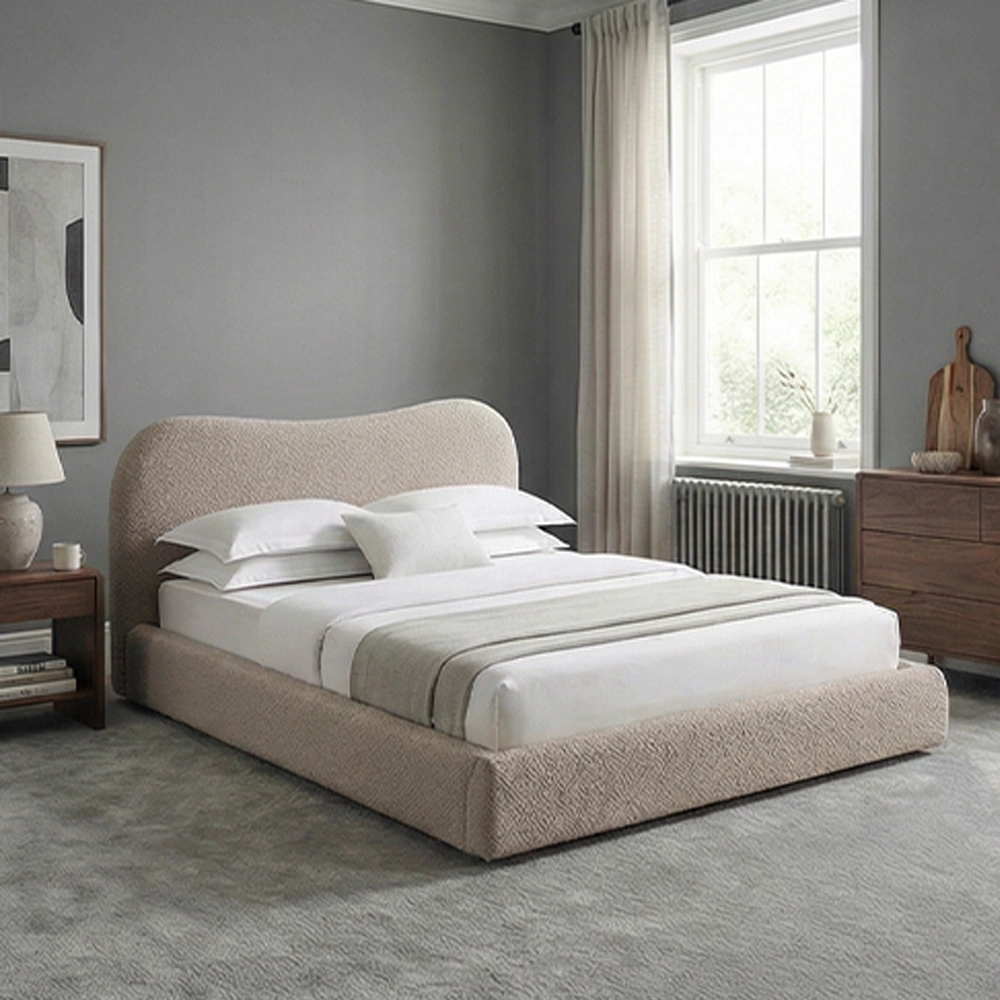
When space is limited, choosing the right bed can make a noticeable difference to how comfortable and practical your bedroom feels. A bed is usually the largest piece of furniture in the room, so the wrong design can quickly make a small bedroom feel cramped. The good news is that you do not have to sacrifice comfort or style simply because you have less floor space.
The best beds for small rooms are those that make sensible use of the available space while providing the sleeping area you need. Depending on the layout of your bedroom, this could mean choosing a storage bed, a compact double, a daybed or even a bed designed to fit neatly into an awkward corner.
What Should You Look For in a Bed for a Small Room?
Before choosing a bed, take accurate measurements of the bedroom rather than relying on estimates. Measure the available floor space, doorways and any areas around windows, wardrobes and radiators.
It is also important to think beyond the bed itself. You need enough room to move around comfortably, open wardrobes and drawers, and use the bedroom without constantly having to squeeze past furniture.
Look for a design that offers at least one of these advantages:
- A compact footprint
- Built-in or under-bed storage
- A multifunctional design
- A layout-friendly shape
- Space-saving features
- A simple frame without unnecessary bulk
The best choice will depend on how you use the room and what you need to store.
Storage Beds: One of the Best Choices for Small Bedrooms
A storage bed for a small room can be particularly useful because it combines two functions in one piece of furniture: sleeping space and storage.
Instead of adding another chest of drawers or storage boxes, you can use the area beneath the mattress for bedding, clothing, shoes and other belongings. This can help keep the rest of the bedroom clear.
Divan Beds with Drawers
A divan bed with built-in drawers is a practical option when you need regular access to your belongings. The drawers can be used for items such as spare bedding, towels, clothes or accessories.
However, remember that drawers need room to open. If the sides of your bed are very close to a wall or another piece of furniture, the storage may become difficult to use.
Ottoman Beds
An ottoman bed for a small bedroom can provide a large amount of concealed storage without requiring drawers to be pulled out from the sides.
The base lifts to reveal the storage area underneath, making it useful for larger or less frequently used belongings such as suitcases, spare duvets and seasonal clothing.
An ottoman design can be particularly helpful when there is very little floor space around the bed. Just bear in mind that items stored underneath are not as convenient to access every day as items kept in drawers.
Small Double Beds for Tight Bedrooms
If a standard double bed feels too large for your bedroom but a single bed does not provide enough sleeping space, a small double bed can be a useful compromise.
In the UK, a small double is generally around 4ft wide, giving you more sleeping space than a single while taking up less width than a standard double.
This can work well in:
- Small master bedrooms
- Guest bedrooms
- Box rooms
- Teenagers’ bedrooms
- Rooms where a standard double leaves very little walking space
Before buying one, check the exact dimensions of both the bed frame and mattress, as the overall footprint can vary depending on the design.
Daybeds for Flexible Small Spaces
A daybed can be an excellent solution if the room needs to serve more than one purpose.
During the day, it can work as a comfortable place to sit, read or relax. At night, it becomes a proper sleeping area. This makes daybeds especially useful in guest rooms, home offices and multifunctional spaces.
A daybed can also help the room feel less dominated by a traditional bed frame. If you occasionally need an additional sleeping area, some designs can incorporate an extra mattress underneath.
Sofa Beds for Guest Rooms
If your small room is mainly used for other purposes, a sofa bed may be worth considering.
During the day, the room can function as an office, study or sitting area. When guests arrive, the sofa can be converted into a sleeping space.
This type of bed is not necessarily the best choice for someone who sleeps on it every night, particularly if comfort and long-term mattress support are your main priorities. For occasional guests, however, its ability to perform two jobs can be extremely useful.
Wall Beds and Foldaway Designs
For exceptionally small bedrooms, a space-saving wall bed can make a significant difference.
A wall bed folds away when it is not being used, leaving more open floor space during the day. This can be particularly useful when one room has to serve several purposes.
The main advantage is not that the bed itself becomes smaller, but that its footprint is temporarily removed from the floor when the sleeping area is not required.
These systems need careful installation and sufficient wall space, so they should be considered alongside the structure and layout of the room.
Consider a Bed with a Simple, Slim Frame
Sometimes the best bed for a small room is simply one with a straightforward design.
Large, heavy-looking headboards, wide side rails and oversized decorative details can make a compact bedroom appear even more crowded. A slimmer frame can create a cleaner visual line and leave more breathing room around the bed.
This does not mean your bed has to look plain. A simple frame can still be stylish, while keeping the overall appearance of the room light and uncluttered.
Make Use of Awkward Corners
Small bedrooms rarely have perfectly straightforward layouts. You may have an alcove, sloping ceiling, chimney breast or awkward corner that makes standard furniture difficult to arrange.
Instead of treating these areas as wasted space, consider whether the bed can be positioned to work with them.
Placing a bed against a suitable wall or into a corner can sometimes free up valuable floor space in the centre of the room. In particularly unusual spaces, a made-to-measure sleeping area may be worth considering.
The important thing is to maintain comfortable access to the bed and avoid blocking windows, doors or essential storage.
How to Make a Small Bedroom Feel Bigger
Choosing the right bed is only part of the solution. The way you arrange the rest of the bedroom can have just as much impact.
Keep the Floor as Clear as Possible
Avoid filling every available corner with furniture. If your bed provides storage underneath, you may be able to reduce the need for additional cabinets and storage boxes.
Use Vertical Space
When floor space is limited, look upwards. Shelving or carefully planned storage above the bed can provide useful space without taking up additional floor area.
Just make sure anything installed above the bed is secure and does not make the sleeping area feel enclosed.
Choose Multi-Functional Furniture
In a small room, furniture that performs more than one job can be particularly valuable. A storage bed, for example, can reduce the need for separate storage furniture. A daybed can provide both seating and sleeping space.
Avoid Unnecessary Clutter
Even a well-designed small bedroom can feel cramped if surfaces and floors are covered with belongings. Keep everyday essentials organised and use concealed storage where possible.
The aim is not to remove everything from the room, but to make sure each item has a useful purpose and a suitable place.
Which Bed Is Best for Your Small Room?
There is no single bed that will suit every small bedroom. The best choice depends on the size, layout and purpose of your room.
Choose a storage divan if you need everyday access to clothing or bedding.
Choose an ottoman bed if you need a large hidden storage area and mainly store items that are not used frequently.
Choose a small double if you want more sleeping space than a single without taking up as much room as a standard double.
Choose a daybed if your bedroom needs to work as both a sleeping and living space.
Choose a sofa bed if the room is primarily used for another purpose and only occasionally needs to accommodate overnight guests.
Choose a wall bed if maximising usable floor space is your highest priority.
Final Thoughts
The best beds for small rooms are not necessarily the smallest ones. Instead, the ideal bed is one that fits comfortably into the available space while making the room more useful.
Storage beds can reduce the need for extra furniture, small doubles can provide a practical balance between comfort and floor space, while daybeds, sofa beds and wall beds can make a multifunctional room far more flexible.
Before making your choice, measure the entire room, consider how you use it and think carefully about storage. A well-planned bed can turn a cramped bedroom into a comfortable, organised space without compromising on a good night’s sleep.