

Home
Which Beds Are the Best For Sloped Ceiling Bedrooms?

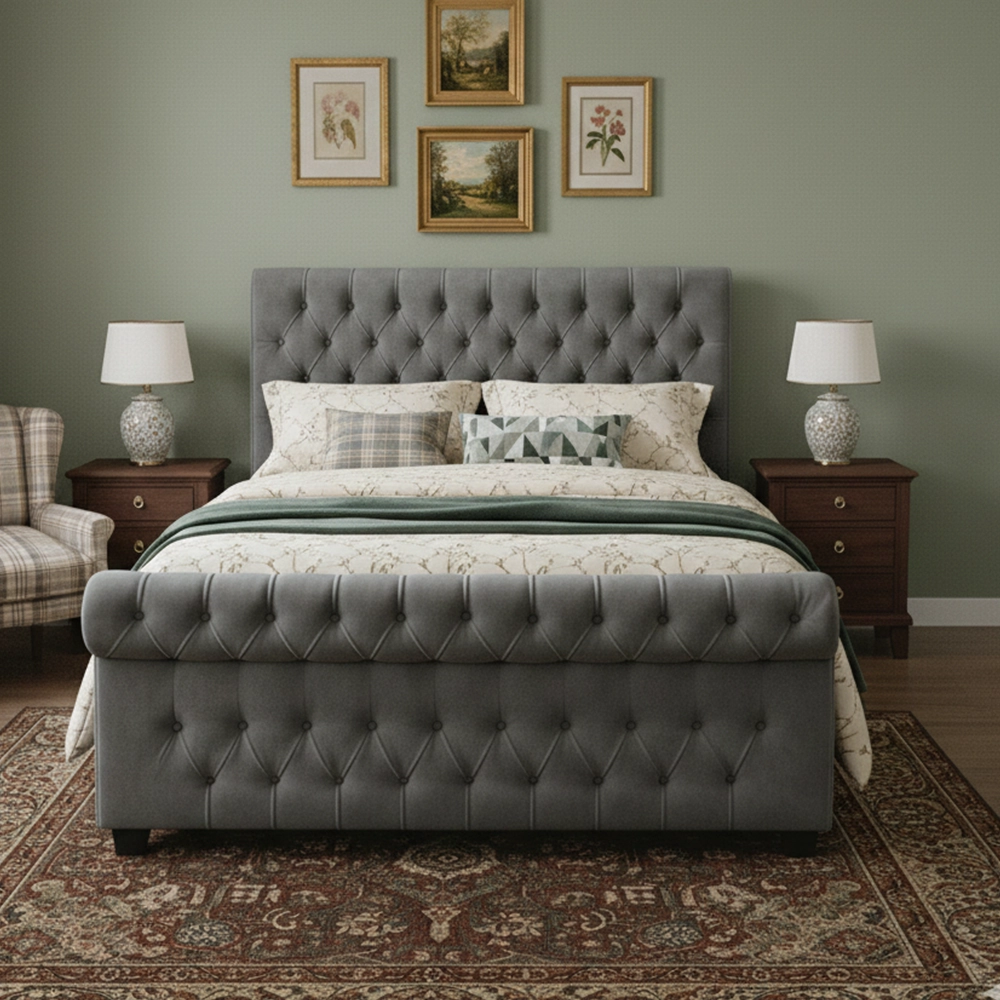
A bedroom with a sloped ceiling can have plenty of character, but choosing the right bed can be surprisingly difficult. Standard beds are usually designed with generous vertical space around them, while attic bedrooms, loft conversions and rooms beneath a pitched roof often have awkward angles and limited headroom.
The good news is that you do not need to sacrifice comfort or style. The best beds for sloped ceiling bedrooms are usually those with a lower profile, sensible proportions and a design that works with the shape of the room rather than competing with it.
From low platform beds to storage-friendly designs, the right choice can make a sloped ceiling bedroom feel comfortable, practical and thoughtfully designed.
What Makes a Bed Suitable for a Sloped Ceiling Bedroom?
The main issue in a sloped ceiling bedroom is not the floor space alone; it is the amount of usable height above the bed. A frame that looks perfectly normal in a conventional bedroom can feel oversized when placed beneath a pitched roof.
When choosing a bed, consider:
- The overall height of the bed frame
- The height and shape of the headboard
- Where the ceiling reaches its lowest point
- How easily you can sit up in bed
- The amount of walking space around the frame
- Whether you need additional bedroom storage
A low-profile design generally works particularly well because it leaves more visual and physical space between the mattress and the ceiling. It can also make the room feel less crowded.
1. Low-Profile Platform Beds
For many sloped ceiling bedrooms, a low-profile platform bed is one of the most practical choices.
These beds sit relatively close to the floor and usually have a simple frame without unnecessary height. This is useful when every inch of vertical space matters.
A lower bed can also make a small attic bedroom appear more open. Instead of introducing another tall piece of furniture into an already restricted space, it keeps the visual focus low and allows the sloping roof to remain part of the room’s character.
Choose a platform bed with enough height to make getting in and out comfortable. Extremely low designs may not suit everyone, particularly people who prefer a higher sleeping position.
2. Low Upholstered Beds
If you want something softer and more traditional than a basic platform, a low upholstered bed can be an excellent alternative.
An upholstered frame can add warmth and comfort without necessarily requiring a tall structure. Look for a headboard that is relatively low and proportionate to the available wall height.
A simple upholstered design can also help soften the angular appearance of an attic bedroom. Pair it with neutral bedding and minimal bedside furniture to avoid making the room feel visually heavy.
The important point is to check the complete height of the headboard rather than judging the bed by its mattress height alone.
3. Storage Beds With a Low Profile
Storage is often limited in bedrooms with sloped ceilings because conventional wardrobes and tall cupboards cannot always be positioned beneath the lower sections of the roof.
This makes a storage bed particularly useful.
A bed with drawers underneath or accessible storage space can provide somewhere to keep bedding, clothing and other items without taking up additional wall space.
However, measure carefully before choosing one. Some storage beds have bulky frames or require enough clearance around the sides for drawers to open. If the bed is positioned close to a sloping wall, a drawer may not have enough room to operate properly.
Where space is tight, lift-up storage or accessible storage from the foot of the bed may be more practical.
4. Divan-Style Beds
A divan-style bed can also work well in a sloped ceiling bedroom, particularly when you want a neat, compact appearance.
The main advantage is that the design can provide useful storage without requiring a tall or elaborate frame. It can also give the room a clean, streamlined appearance.
Before choosing a divan, check its total height with the mattress included. A base that looks low on its own may become considerably taller once the mattress is added.
This is especially important if the bed will sit beneath a low section of the ceiling.
5. Simple Wooden Bed Frames
A simple wooden frame can be another good choice, particularly for a rustic or minimalist attic bedroom.
Look for a design with slim side rails, a relatively low base and a modest headboard. Avoid unnecessarily tall posts or decorative structures that can make the room feel cramped.
The simplicity of a wooden bed can actually highlight the architectural features of the room. Exposed beams, roof angles and dormer windows become design features rather than obstacles.
Where Should You Position a Bed Under a Sloped Ceiling?
Choosing the right bed is only half the solution. Its position can have an even bigger impact on how comfortable the room feels.
Start by measuring the ceiling height at different points around the bedroom. Do not rely on the room’s highest point alone. A sloped ceiling creates several different height zones, and each zone may be suitable for a different purpose.
In many layouts, the highest section is best reserved for areas where you need to stand, such as dressing and getting changed. Lower sections can be used for the bed, storage or seating because these activities require less vertical clearance.
However, there is no single rule that works for every room. If you place the head of the bed under a particularly low part of the ceiling, make sure there is still comfortable clearance when sitting upright.
Consider the Direction of the Roof Slope
If possible, orient the bed so that the slope runs along the length of the bed rather than directly across the sleeping area. This can create a more consistent sense of space above you.
In other layouts, placing the headboard against a taller wall may provide the best sitting clearance.
The correct position depends on the exact shape of the room, so it is worth testing different arrangements before buying a new bed.
What Bed Features Should You Avoid?
Some bed styles can make a sloped ceiling bedroom unnecessarily difficult to use.
Very Tall Headboards
A tall, heavily padded headboard can quickly become impractical beneath a pitched roof. It may leave very little space between the top of the headboard and the ceiling, making the area feel enclosed.
A shorter headboard or a simple upholstered panel is often a better choice.
Four-Poster Beds
Four-poster designs can look beautiful in larger bedrooms, but their height and vertical posts can be difficult to accommodate beneath a sloping ceiling.
Unless the room has sufficient height around the entire bed, a simpler design is usually more practical.
Oversized Bed Frames
A large, heavy frame can dominate a small attic bedroom. If floor space is limited, choose a frame that fits the mattress without adding unnecessary width or length.
Remember to allow enough room to walk around the bed and access drawers, doors and windows.
How to Make the Most of the Space Around the Bed
Once you have chosen the right bed, use the surrounding space carefully.
Keep tall furniture in the areas where the ceiling is highest. Wardrobes, bookcases and dressing furniture generally need more standing clearance, while low cabinets and storage benches can make better use of the lower areas beneath the roof.
Wall-mounted lighting can also be useful because it reduces the need for bulky bedside lamps and tables. Slim floating shelves can provide a convenient place for books, phones or small personal items without taking up valuable floor space.
If the room has a roof window or dormer, avoid blocking it with oversized furniture. Natural light can make a compact attic bedroom feel considerably more open.
Measure Before Buying a Bed
Measurements are particularly important when buying a bed for a sloped ceiling bedroom.
Measure:
- The length and width of the available floor area.
- The ceiling height at the head of the bed.
- The ceiling height where you will sit upright.
- The total height of the bed frame and mattress.
- The available space beside and at the foot of the bed.
- Clearance needed for drawers or storage compartments.
It is also worth making a simple outline of the bed on the floor using masking tape. This gives you a better idea of how much walking space will remain once the bed is in position.
Do not forget to measure staircases, doorways and other access points if the bedroom is located in an attic or upper floor. A bed that fits the finished room still needs to be brought into it.
Are Custom Beds Worth Considering?
If the ceiling has an unusually steep angle or the bedroom is very compact, a custom-sized bed can be worth considering.
A made-to-measure design can be adapted to the room’s dimensions rather than forcing a standard frame into an awkward space. This can be especially useful when you need specific storage dimensions or have an unusually low section of ceiling.
For most bedrooms, however, a carefully selected low-profile standard bed should be enough. Custom furniture becomes more valuable when the room’s architecture makes conventional furniture difficult to position.
Final Thoughts
The best beds for sloped ceiling bedrooms are not necessarily the most expensive or elaborate designs. What matters most is choosing a bed that suits the room’s proportions.
Low-profile platform beds, compact upholstered frames, storage beds, divan-style beds and simple wooden frames can all work well when their dimensions are carefully considered. The key is to prioritise headroom, accessibility and floor space rather than choosing a bed based purely on appearance.
Most importantly, measure the room before making a decision. A sloped ceiling can actually become an advantage when the furniture is planned around it. By placing the bed thoughtfully, keeping tall furniture in higher areas and using low spaces for storage, you can create a bedroom that feels comfortable, practical and full of character.