

Home
What Are the Best Beds For Old People?

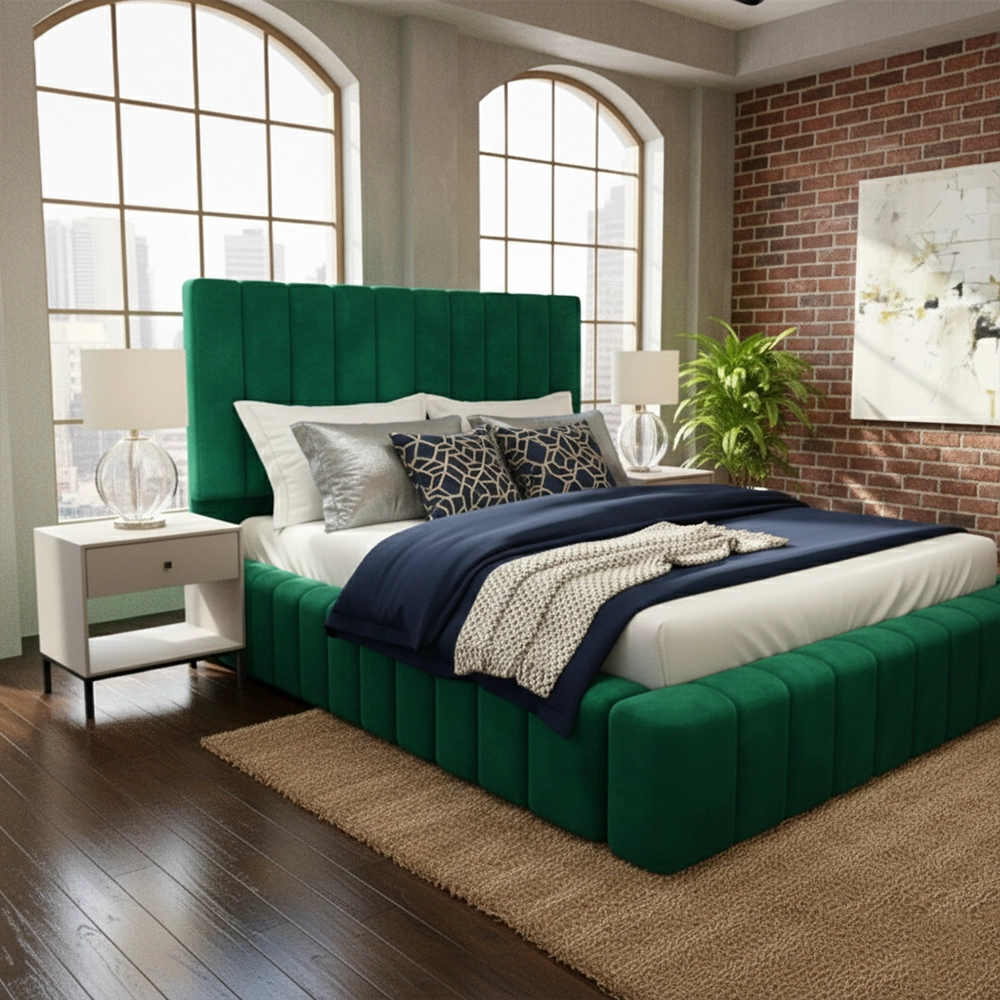
Choosing the right bed becomes increasingly important as we get older. A good night’s sleep is essential for maintaining physical health, supporting mental wellbeing, and reducing everyday aches and pains. However, many older adults struggle with discomfort, mobility issues, arthritis, or back pain, making the wrong bed a source of ongoing frustration.
The best beds for old people are those that provide excellent support, make getting in and out of bed easier, and promote restful, uninterrupted sleep. While everyone’s needs are different, understanding which features matter most can help you make a confident and informed decision.
In this guide, we’ll explore the different types of beds suitable for older adults, the key features to consider, and practical tips for choosing the right option.
Why Choosing the Right Bed Matters
As we age, our bodies naturally change. Joints may become stiffer, muscles lose strength, and medical conditions such as arthritis or osteoporosis can affect comfort during sleep. A supportive bed helps minimise pressure on sensitive areas, improves spinal alignment, and makes everyday movements safer and more comfortable.
A well-chosen bed can also:
- Improve sleep quality
- Reduce joint and back pain
- Support healthy posture
- Make getting in and out of bed easier
- Lower the risk of falls
- Increase overall comfort and independence
Investing in the right bed isn’t simply about luxury—it’s about improving daily quality of life.
Features to Look for in the Best Beds for Older People
Not every bed is designed with older adults in mind. Certain features can make a significant difference to comfort and accessibility.
Comfortable Bed Height
One of the most important considerations is bed height.
A bed that is too low can make standing difficult, while one that is too high may increase the risk of slipping when getting out.
Ideally, when sitting on the edge of the bed, your feet should rest comfortably on the floor with your knees bent at roughly a right angle. This position allows for easier movement without placing unnecessary strain on the hips or knees.
Strong and Stable Frame
Stability is essential for safety.
A solid bed frame prevents movement or wobbling when getting into or out of bed. A sturdy frame also provides better long-term durability, making it a worthwhile investment.
Quality construction and reliable support are especially important for anyone with reduced mobility.
Proper Mattress Support
Even the best bed frame cannot compensate for an unsuitable mattress.
A supportive mattress should keep the spine aligned while cushioning pressure points such as the shoulders, hips, and lower back. Finding the right balance between comfort and support helps reduce aches and encourages deeper, more restful sleep.
The ideal firmness depends on personal preference, sleeping position, and individual health needs.
Easy Access
Beds designed for older adults should allow easy access from both sides whenever possible. Plenty of surrounding space makes walking, using mobility aids, or receiving assistance much easier.
Avoid placing beds in cramped spaces where movement becomes restricted.
Types of Beds Suitable for Older Adults
Different bed styles suit different needs. Understanding the advantages of each option can help narrow your choices.
Adjustable Beds
Adjustable beds allow the head and foot sections to be raised or lowered independently.
These beds can help people who experience:
- Back pain
- Acid reflux
- Swollen legs
- Poor circulation
- Difficulty sitting up
Changing the sleeping position may also make reading, watching television, or simply getting comfortable much easier.
For individuals with ongoing mobility concerns, adjustable beds often provide the greatest flexibility.
Divan Beds
Divan beds remain a popular choice because they are practical, compact, and generally easier to access than lower platform beds.
Many also include built-in storage, helping reduce bedroom clutter while keeping essentials within easy reach.
Their simple design makes them suitable for a wide variety of bedrooms.
Ottoman Beds
Ottoman beds offer generous hidden storage beneath the mattress, making them ideal for maximising bedroom space.
However, older adults should carefully consider whether lifting the storage compartment is practical. While many modern lifting mechanisms are designed to reduce effort, anyone with limited strength or mobility may prefer an alternative if frequent access is required.
Platform Beds
Platform beds offer a clean, modern appearance and strong mattress support.
When choosing a platform bed for an older person, ensure the overall height allows comfortable access. Some low-profile designs may be more difficult to use safely.
Choosing the Right Mattress
Selecting the right mattress is just as important as choosing the bed itself.
Medium-Firm Support
Many older adults find that a medium-firm mattress provides an effective balance between cushioning and support.
It helps maintain spinal alignment while reducing pressure on joints.
Pressure Relief
People with arthritis or joint pain often benefit from mattresses that evenly distribute body weight, reducing pressure on sensitive areas.
Improved pressure relief can reduce discomfort during the night and minimise the need for frequent position changes.
Motion Isolation
For couples, a mattress with good motion isolation reduces disturbances when one person moves during the night.
This can improve overall sleep quality for both sleepers.
Important Safety Considerations
Safety should always be a priority when selecting a bed for an older person.
Consider the following:
Avoid Excessively High Beds
Although higher beds may appear easier to enter, they can increase the chance of losing balance when getting down.
A moderate height usually provides the safest option.
Ensure Clear Walking Space
Keep the area around the bed free from unnecessary furniture, loose rugs, electrical cables, or clutter that could create trip hazards.
Consider Mobility Needs
If mobility is becoming more challenging, think ahead about future requirements.
A bed that works well today should ideally continue meeting needs over the coming years.
Common Mistakes to Avoid
Many people focus only on appearance or price when buying a bed, but comfort and practicality should always come first.
Some common mistakes include:
- Choosing style over support
- Buying a bed that is too low
- Ignoring mattress quality
- Forgetting to measure bedroom space
- Overlooking future mobility needs
- Purchasing without testing overall comfort
Taking time to consider these factors can prevent costly mistakes later.
How to Choose the Best Bed for Your Needs
Every individual has different priorities.
Ask yourself the following questions before making a decision:
- Do I struggle to get in or out of bed?
- Do I experience regular back or joint pain?
- Will I benefit from adjustable positioning?
- Do I need additional storage?
- Is the bed height comfortable?
- Will the bed remain suitable as my mobility changes?
Answering these questions helps identify which features are most important.
Final Thoughts
Finding the best beds for old people isn’t about choosing the most expensive option—it’s about selecting a bed that provides the right combination of comfort, support, safety, and practicality.
A supportive mattress, stable frame, suitable height, and thoughtful design can all contribute to better sleep and greater independence. Whether you prefer an adjustable bed, divan, ottoman, or platform design, focusing on comfort and ease of use will help ensure long-term satisfaction.
A carefully chosen bed can make everyday life more comfortable, improve sleep quality, and support healthier ageing for years to come.